Discover Seychelles: Africa's Wealthiest & Least Populous Island Nation
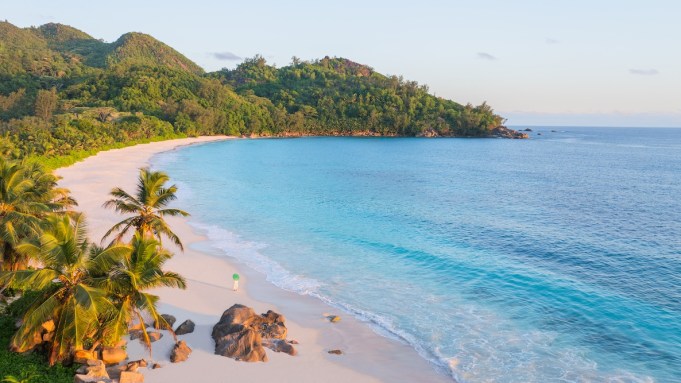
Nestled in the warm embrace of the western Indian Ocean, approximately 1,500 kilometers east of mainland Africa and northeast of Madagascar, lies Seychelles – a destination synonymous with unparalleled natural beauty and a truly unique national identity. This archipelagic republic, comprising 115 granite and coral islands, holds the remarkable distinction of being Africa's wealthiest sovereign nation by GDP per capita, while simultaneously being its least populous, with just over 100,000 inhabitants. From its pristine, sun-drenched beaches framed by ancient granite boulders to its vibrant, untouched marine ecosystems, Seychelles offers an extraordinary blend of luxury, adventure, and serene isolation.
The allure of Seychelles extends beyond its breathtaking scenery. It’s a nation that has meticulously balanced economic development with an unwavering commitment to conservation, carving out a prosperous future while safeguarding its invaluable biodiversity. This article delves into what makes Seychelles such a fascinating and sought-after destination, exploring its geography, economy, rich history, and the practicalities of experiencing its magic.
A Jewel of the Indian Ocean: Geography and Demographics
The geographical tapestry of Seychelles is as diverse as it is stunning. While commonly cited as having 115 islands, the nation's constitution officially recognizes 155, encompassing tiny islets, rocks, and reefs that contribute to its vast exclusive economic zone. Of these, only a handful are permanently inhabited, allowing vast swathes of land and sea to remain in their natural, unspoiled state.
The archipelago is broadly divided into two distinct types: the older, geological wonders known as the Granitic Islands and the younger, low-lying Coralline Islands. The Granitic Islands, clustered in the northeastern part of the archipelago, are the largest and most populous. Mahé, the largest of these, serves as home to over 90% of the population and hosts Victoria, the charming capital and largest settlement. Victoria is not just the administrative heart but also a vibrant cultural hub, offering a glimpse into the Seychellois way of life with its bustling markets, colonial architecture, and a unique blend of African, European, and Asian influences.
Being Africa's least populous sovereign nation – a mere fraction of the population of many major cities worldwide – lends Seychelles an air of exclusivity and tranquility. This low population density, coupled with stringent conservation policies, ensures that even the most popular spots retain a sense of untouched paradise, allowing visitors to truly disconnect and immerse themselves in nature. The multicultural fabric of the nation is reflected in its three official languages: English, French, and Seychellois Creole, a testament to its intriguing colonial past and present-day cosmopolitan outlook.
Economic Prosperity Forged by Tourism and Fishery
Seychelles stands out on the African continent as an economic success story, boasting Africa's highest GDP per capita, which hovers around an impressive $17,000. This remarkable prosperity is largely propelled by two critical sectors: tourism and fisheries. The nation's strategic focus on high-value, sustainable tourism has cultivated an image of exclusivity, attracting discerning travelers seeking luxury, privacy, and unparalleled natural beauty.
The pristine beaches, such as Anse Source d'Argent on La Digue with its iconic granite formations, and the lush, verdant interiors of islands like Mahé and Praslin, provide an irresistible draw. Visitors are drawn to activities like diving, snorkeling, sailing, and hiking through national parks. The tourism industry supports a wide array of high-end resorts, boutique hotels, and guesthouses, offering exceptional service and contributing significantly to local employment and revenue.
Complementing tourism, the fisheries sector plays a vital role, providing both food security and a substantial export commodity, particularly tuna. The careful management of these marine resources is crucial, given the nation's reliance on a relatively narrow resource base. However, this economic strength does come with vulnerabilities. Seychelles is highly susceptible to external shocks and, crucially, to the impacts of climate change, including rising sea levels and ocean acidification, which threaten its coastal infrastructure and delicate marine ecosystems. The government and local organizations are actively engaged in building resilience through sustainable practices and international partnerships, striving to secure the nation's economic and environmental future. To delve deeper into the nation's economic trajectory and resilience strategies, you might find How Seychelles Became Africa's GDP Leader: History, Tourism & Resilience an insightful read.
An Untouched Legacy: History and Endemic Biodiversity
The history of human settlement in Seychelles is relatively recent, a fact that profoundly shaped its unique ecological heritage. Unlike many other Indian Ocean islands, the Seychelles archipelago remained largely uninhabited by permanent human populations until European contact in the 16th century and subsequent settlement by the French in 1770. While historical records suggest awareness of the islands by Arab and Swahili sailors prior to 1500 CE, there's no archaeological evidence of sustained pre-colonial occupation.
This prolonged isolation, spanning millennia, allowed the islands' ecosystems to evolve in an unparalleled manner, free from the anthropogenic pressures of deforestation or the introduction of invasive species. The remoteness of Seychelles – over 1,500 kilometers from mainland Africa and challenging monsoon winds – proved a natural barrier to early colonization. The result is a biodiversity hotspot boasting an extraordinary level of endemism, particularly among its flora and fauna. Iconic examples include the giant Aldabra tortoise, a magnificent reptile that can live for over a century, and the Vallée de Mai Nature Reserve on Praslin Island, a UNESCO World Heritage site often referred to as the "Garden of Eden." Here, the prehistoric Coco de Mer palm tree produces the largest seed in the plant kingdom, a mesmerizing double-lobed coconut unique to Seychelles.
Birdwatchers are also in for a treat, with rare species like the Seychelles magpie-robin and the Seychelles black parrot found nowhere else on Earth. Recognizing the invaluable nature of its natural heritage, Seychelles has demonstrated an exemplary commitment to conservation. Over 40% of its vast exclusive economic zone is designated as marine protected areas, safeguarding vibrant coral reefs, diverse fish populations, and critical breeding grounds. This dedication to environmental stewardship ensures that future generations can also marvel at the pristine beauty and unique wildlife of this extraordinary nation. For a deeper dive into these natural wonders and the extensive conservation efforts, consider reading Exploring Seychelles: 115 Islands of Pristine Beauty and Marine Protection.
Planning Your Seychelles Escape: Tips for Travelers
Embarking on a journey to Seychelles is an experience that promises to be both rejuvenating and awe-inspiring. To make the most of your island adventure, a little planning goes a long way:
- Best Time to Visit: Seychelles enjoys a tropical climate year-round, but the best times to visit are generally between April and May, and October and November. These periods offer calmer seas, ideal for snorkeling, diving, and swimming, as well as moderate temperatures.
- Getting Around: Island hopping is an essential part of the Seychellois experience. Mahé, Praslin, and La Digue are the most popular islands, connected by regular ferry services (Cat Cocos for Mahé-Praslin, Cat Rose for Praslin-La Digue) and domestic flights. Renting a car on Mahé and Praslin offers flexibility, while bicycles are the preferred mode of transport on car-free La Digue.
- Must-Do Activities:
- Beach Hopping: Explore iconic beaches like Anse Source d'Argent (La Digue), Anse Lazio (Praslin), and Beau Vallon (Mahé).
- Snorkeling and Diving: Discover vibrant coral gardens and abundant marine life in protected areas.
- Nature Trails: Hike through national parks like Morne Seychellois (Mahé) or Vallée de Mai (Praslin).
- Wildlife Encounters: Visit Cousin Island Special Reserve for birdwatching or Curieuse Island to see giant tortoises.
- Local Culture: Wander through Victoria Market, sample Seychellois Creole cuisine, and engage with friendly locals.
- Respecting the Environment: Given Seychelles' deep commitment to conservation, travelers are encouraged to practice responsible tourism. Avoid littering, do not touch or remove coral, and choose eco-friendly accommodations and tour operators.
- Languages: While English is widely spoken in tourist areas, learning a few basic phrases in French or Seychellois Creole (e.g., "Bonzour" for hello, "Mersi" for thank you) can enhance your interactions with locals.
Remember that while Seychelles can be a luxury destination, there are options for various budgets, including charming guesthouses and self-catering apartments, alongside opulent resorts. Planning in advance, especially for inter-island transport and popular accommodations, is highly recommended.
Conclusion
Seychelles is far more than just a collection of beautiful islands; it is a vibrant nation that has masterfully navigated the complexities of modern development while preserving an ancient, untouched natural world. From its unique status as Africa's wealthiest and least populous nation to its unparalleled commitment to conservation, Seychelles offers a truly distinctive travel experience. It's a place where the grandeur of nature meets a rich cultural tapestry, inviting visitors to discover pristine beaches, encounter endemic wildlife, and immerse themselves in a tranquil, eco-conscious paradise. Whether you seek thrilling adventures, serene relaxation, or a deep connection with nature, Seychelles stands ready to captivate your senses and leave an indelible mark on your soul.