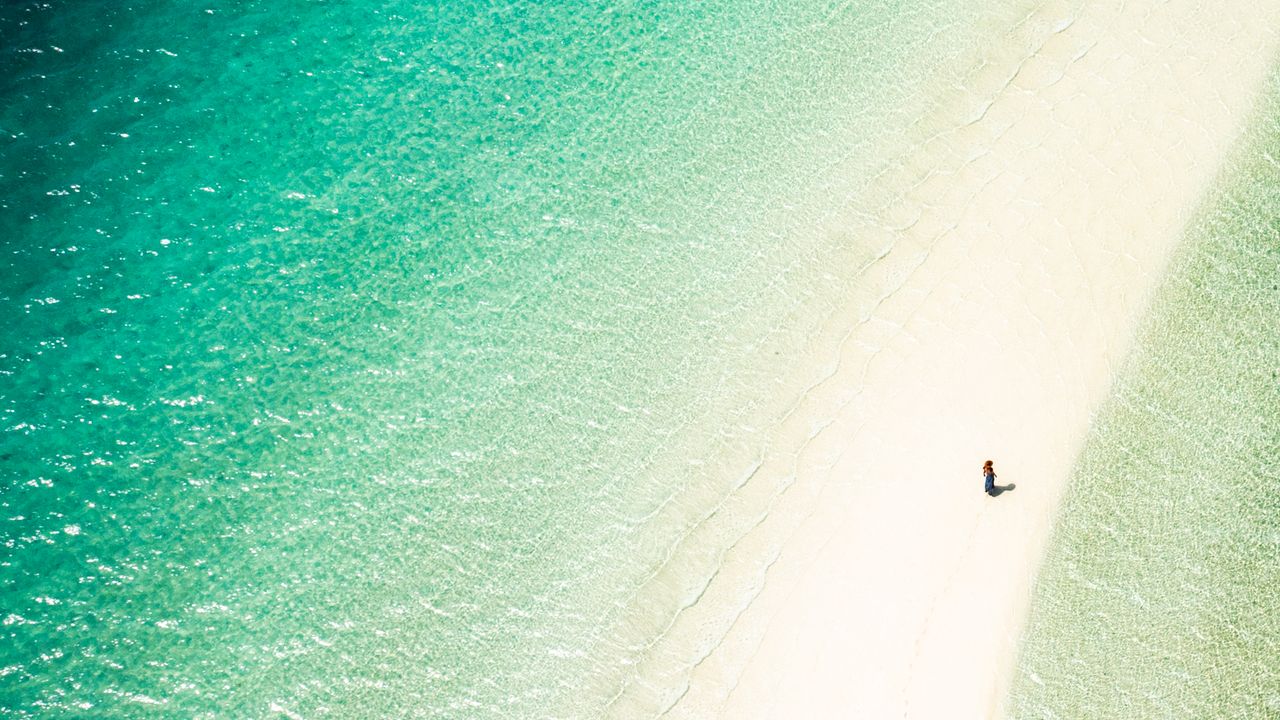
Nestled in the shimmering waters of the western Indian Ocean, Seychelles emerges as a true gem, an archipelagic republic comprising a stunning collection of 115 islands. Situated approximately 1,500 kilometres east of mainland Africa and northeast of Madagascar, this sovereign nation is renowned globally for its unparalleled natural beauty, from pristine white-sand beaches framed by ancient granite boulders to an astonishing array of endemic biodiversity. Despite being Africa's least populous nation with a population of around 100,000, Seychelles boasts Africa's highest GDP per capita, largely fueled by its thriving tourism and fisheries sectors. But beyond its economic success, it is Seychelles' profound commitment to marine protection and sustainable development that truly sets it apart, safeguarding over 40% of its exclusive economic zone for future generations.
A Tapestry of Islands: Unveiling Seychelles' Unique Geography
The geography of Seychelles is as diverse as it is breathtaking. While often cited as 115 islands, the country's constitution extends this count to 155, encompassing numerous tiny islets, rocks, and reefs that contribute to its vast maritime territory. These islands are broadly categorized into two distinct groups: the older, majestic Granitic Islands and the younger, low-lying Coralline Islands.
The Granitic Islands, concentrated in the northeastern part of the archipelago, are the geological anchors of Seychelles. Formed from ancient granite rock, these islands are characterized by their dramatic, rugged landscapes, verdant hills, and the iconic, smooth granite boulders that tumble into crystalline turquoise waters. Mahé, the largest and most populous of these, serves as the heart of the nation. Home to over 90% of the population and the vibrant capital city of Victoria, Mahé offers a dynamic blend of cultural experiences, bustling markets, and easy access to some of the world's most photographed beaches, such as Beau Vallon. Nearby islands like Praslin, famous for the Vallée de Mai UNESCO World Heritage site and its unique Coco de Mer palm, and La Digue, renowned for its timeless charm and the iconic Anse Source d’Argent beach, complete this enchanting trio. The distinct geological formations of these islands provide a diverse canvas for exploration, offering everything from challenging hiking trails to secluded coves perfect for snorkeling and sunbathing.
Stewards of the Ocean: Seychelles' Commitment to Marine Protection
One of the most compelling aspects of Seychelles is its unwavering dedication to environmental conservation. In an era where climate change and over-exploitation threaten marine ecosystems globally, Seychelles stands as a beacon of hope. The nation has designated over 40% of its exclusive economic zone (EEZ) as marine protected areas, making it a world leader in ocean conservation. This commitment is vital, not only for preserving the islands' natural heritage but also for protecting the very foundation of its economy.
This extensive network of protected areas safeguards an incredible array of biodiversity. On land, visitors can encounter the majestic Aldabra giant tortoises, some of which roam freely on islands like Curieuse, and numerous endemic bird species, including the Seychelles Black Parrot and the Magpie Robin. Beneath the waves, vibrant coral reefs teem with kaleidoscopic fish, reef sharks, turtles, and diverse marine invertebrates, offering unparalleled diving and snorkeling experiences. The government's proactive conservation policies, including initiatives to restore coral reefs and manage fisheries sustainably, demonstrate a deep understanding of the delicate balance required to thrive in a narrow resource base.
For travelers, this translates into unique opportunities for responsible eco-tourism. Visitors are encouraged to engage in activities that support conservation, such as guided nature walks, ethical wildlife encounters, and patronizing eco-certified accommodations. Understanding and respecting the fragile ecosystems are key to ensuring that the pristine beauty of Seychelles endures for generations to come. Your journey here isn't just a vacation; it's an immersive experience in a living sanctuary.
A Rich History and Cultural Mosaic
Pre-Colonial Isolation and European Discovery
The history of Seychelles is particularly fascinating due to its extended period of isolation. Unlike many other Indian Ocean islands, the Seychelles archipelago remained effectively uninhabited by permanent human populations until European contact in the 16th century, with the first recorded settlement occurring in 1770. Historical records, including early Arab and Swahili cartographic evidence, suggest awareness of the islands long before 1500 CE, but no established communities or material traces of sustained occupation have ever been found. This absence of human presence was largely due to the islands' extreme remoteness – over 1,500 kilometers from Madagascar and 1,600 kilometers from mainland Africa. The challenging prevailing monsoon winds, equatorial currents, and limited arable land on the steep, granitic terrain further deterred large-scale human settlement. This prolonged isolation, however, proved to be an ecological blessing, allowing the islands' unique ecosystems to evolve without anthropogenic pressures like deforestation or species introduction for millennia, fostering the high levels of endemism we see today.
From Colony to Sovereign Republic
The modern history of Seychelles began with French settlement in 1770, followed by British control in the early 19th century. This colonial legacy is profoundly reflected in the nation's culture and official languages. On June 29, 1976, Seychelles gained independence from the United Kingdom, transitioning from a colony to a sovereign republic within the Commonwealth. Today, it operates as a multi-party democracy under a presidential system, with English, French, and Seychellois Creole serving as its official languages. Seychellois Creole, a French-based creole, is the most widely spoken, embodying the vibrant blend of African, European, and Asian influences that define the nation's identity. This rich cultural tapestry, woven from diverse historical threads, provides a unique and welcoming atmosphere for visitors, offering a glimpse into a society that has gracefully embraced its past while building a prosperous future. For more insights into its remarkable journey, explore How Seychelles Became Africa's GDP Leader: History, Tourism & Resilience.
The Economic Pulse: Tourism, Fisheries, and Prosperity
The economic success story of Seychelles is inextricably linked to its pristine natural environment. With Africa's highest GDP per capita, hovering around $17,000, the nation's economy relies heavily on two primary pillars: tourism and fisheries. The allure of its untouched beaches, lush interiors, and vibrant marine life draws high-end travelers from across the globe, making tourism the leading foreign exchange earner. The government and local businesses have meticulously cultivated a reputation for luxury eco-tourism, focusing on sustainable practices that protect the very assets that attract visitors.
Beyond tourism, the fisheries sector, particularly tuna fishing and processing, is a significant contributor to the national economy, providing employment and essential export revenue. Despite this prosperity, Seychelles remains vulnerable. Its narrow resource base means it is susceptible to external shocks, such as global economic downturns or shifts in tourism trends. More critically, as a small island developing state, it faces significant threats from climate change, including rising sea levels, coral bleaching, and increased frequency of extreme weather events. This vulnerability underscores the nation's proactive approach to environmental protection and its continuous efforts to diversify its economy and build resilience against future challenges.
For visitors, this economic reality translates into a well-developed tourism infrastructure that caters to a discerning clientele, from opulent resorts to charming guesthouses. Engaging with local businesses, trying fresh seafood, and participating in marine excursions all directly contribute to the local economy and its sustainable growth. Exploring the local markets in Victoria, where spices, fish, and artisanal crafts are abundant, offers an authentic taste of Seychellois life and economy.
From its ancient, granite-carved islands to its meticulously protected marine sanctuaries, Seychelles is more than just a tropical destination; it is a testament to the power of nature and the dedication of a nation committed to its preservation. Its blend of breathtaking landscapes, rich history, and vibrant culture, all underpinned by a thriving yet vulnerable economy, creates a unique tapestry that captivates every visitor. As you explore its 115 islands, from the bustling streets of Victoria to the tranquil shores of a remote coral atoll, you'll discover a world where pristine beauty and a pioneering spirit of conservation truly converge, inviting you to be a part of its ongoing story.