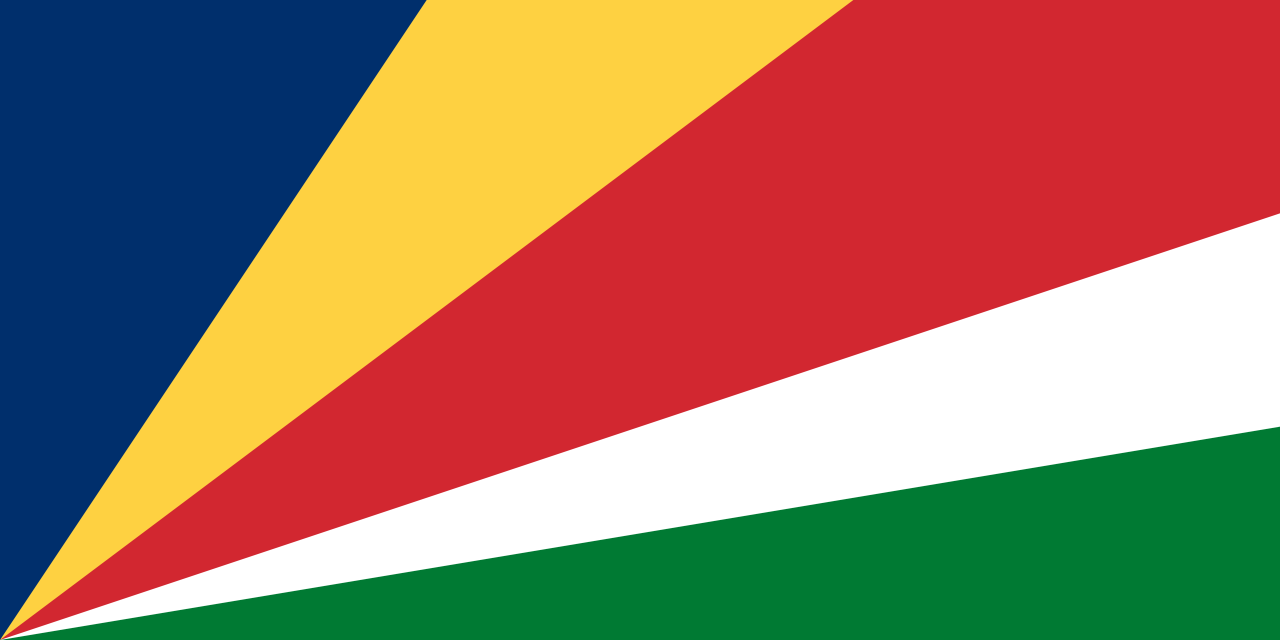
How Seychelles Became Africa's GDP Leader: A Tale of History, Tourism & Resilience
Nestled in the vast expanse of the western Indian Ocean, roughly 1,500 kilometers east of mainland Africa, lies a jewel-toned archipelago of 115 islands known as
Seychelles: Africa's wealthiest and least populous island nation. With a population of just around 100,000, this vibrant republic punches well above its weight, boasting Africa's highest GDP per capita, estimated at approximately $17,000. This remarkable economic success story, especially for such a small, isolated nation, is a testament to its unique history, strategic focus on high-value tourism, and unwavering commitment to environmental resilience. From its pristine beaches and ancient granite boulders to its endemic biodiversity, Seychelles offers a compelling model for sustainable development in a globalized world.
From Uninhabited Shores to Sovereign Prosperity
The history of Seychelles is as unique as its geography, playing a pivotal role in shaping its modern prosperity. For millennia, this scattered archipelago remained largely untouched by permanent human settlement. While evidence suggests that Arab and Swahili sailors may have known of the islands before the 16th century, no archaeological traces of sustained habitation have ever been found. This prolonged isolation, shielded from major migration routes and human impact, allowed its ecosystems to evolve undisturbed, fostering an extraordinary degree of endemism that would later become one of its greatest assets.
European discovery came in the early 16th century, though significant interest only materialized much later. It was the French who first established a permanent settlement in 1770, naming the islands after King Louis XV's finance minister, Jean Moreau de Séchelles. Under French rule, the islands became a strategic outpost for maritime trade and agriculture. However, control shifted to the British during the Napoleonic Wars, and Seychelles officially became a British colony in 1814. The British era saw the development of plantations, particularly for coconut and cinnamon, and the gradual evolution of a multi-ethnic society shaped by European settlers, African slaves, and later, Indian and Chinese immigrants.
On June 29, 1976, Seychelles achieved full independence from the United Kingdom, transitioning into a republic within the Commonwealth. This pivotal moment marked the beginning of its journey to self-determination and economic transformation. Since then, the nation has evolved into a multi-party democracy under a presidential system, demonstrating political stability crucial for economic growth. This short but impactful human history, contrasted with its ancient natural heritage, laid the groundwork for the unique economic path Seychelles would forge.
The Engine of Prosperity: Tourism and Fisheries
The foundation of Seychelles' economic success is undeniably its breathtaking natural beauty, strategically leveraged through a high-value, low-volume tourism model. Unlike many destinations that pursue mass tourism, Seychelles has deliberately aimed for an upscale market, attracting visitors willing to pay a premium for unparalleled luxury, privacy, and pristine environments. This approach maximizes revenue while minimizing the ecological footprint on its fragile ecosystems.
*
Luxury Tourism: The islands are world-renowned for their powder-soft white sand beaches, framed by dramatic granite boulders carved by millennia of wind and waves. Destinations like Anse Source d'Argent on La Digue or Beau Vallon on Mahé are consistently ranked among the world's best. Beyond the beaches, the lush interior offers rainforests, nature trails, and unique wildlife viewing opportunities. The focus is on boutique resorts, private villas, and personalized experiences, which directly contributes to the high GDP per capita with a relatively small visitor count. The capital, Victoria, on Mahé Island, serves as the main entry point and hosts a significant portion of the population and economic activity.
*
Eco-Tourism and Biodiversity: Visitors are drawn not only by the luxury but also by the chance to encounter extraordinary endemic species. These include the iconic giant Aldabra tortoises, the rare black parrot, and the unique coco de mer palm, which produces the world's largest seed. This commitment to preserving its natural heritage has made Seychelles a magnet for eco-tourists and nature lovers. Diving and snorkeling in its vibrant coral reefs reveal an underwater paradise teeming with marine life, further enhancing its appeal.
*
Fisheries: While tourism takes the spotlight, the fishing industry remains the second pillar of the Seychellois economy. Primarily focused on tuna, the industry contributes significantly to exports and provides vital employment. Sustainable fishing practices are increasingly emphasized to ensure the long-term viability of this critical resource.
This dual-pronged economic strategy, focusing on high-yield tourism and a robust fishing sector, has been instrumental in elevating Seychelles to its top economic position in Africa.
Guardians of Paradise: Conservation and Sustainable Growth
The economic prosperity of Seychelles is inextricably linked to its rigorous and pioneering conservation efforts. Recognizing the delicate balance between development and environmental preservation, the nation has made sustainability a cornerstone of its national policy. This commitment is not merely rhetorical; it is evident in concrete actions that distinguish Seychelles as a global leader in marine protection.
A remarkable achievement is the designation of over 40% of its Exclusive Economic Zone (EEZ) as marine protected areas. This extensive network safeguards vital marine ecosystems, coral reefs, and the diverse species that inhabit them, from manta rays and whale sharks to countless fish species. These protected areas are crucial for maintaining the health of the oceans, which in turn support both the tourism and fisheries sectors. The proactive approach to conservation ensures that the natural assets that attract visitors and sustain livelihoods are preserved for future generations.
Despite rapid post-independence development, Seychelles has managed to prioritize environmental stewardship. This balance is critical because, as an island nation, it faces significant vulnerabilities to external shocks and the escalating impacts of climate change. Rising sea levels, coral bleaching due to warming oceans, and extreme weather events pose existential threats to its low-lying coasts and marine biodiversity. This makes its conservation efforts not just an environmental imperative but an economic necessity, ensuring the continued allure of its
115 islands of pristine beauty and marine protection.
Navigating Challenges: Resilience and Future Prospects
Seychelles' journey to becoming Africa's GDP leader has not been without its challenges, and its continued success hinges on its ability to demonstrate resilience. The narrow resource base, heavily reliant on tourism and fisheries, makes the economy susceptible to global economic downturns, travel restrictions, and environmental catastrophes. The COVID-19 pandemic, for example, highlighted the vulnerability of tourism-dependent economies, but Seychelles demonstrated remarkable adaptability in its recovery efforts.
To mitigate these risks, the nation is actively exploring avenues for economic diversification, though tourism and fisheries are expected to remain the primary drivers. Investments in sustainable energy, financial services, and the blue economy (sustainable use of ocean resources) are part of a broader strategy to build a more robust and resilient economic future. International partnerships and climate finance are also vital in supporting its ambitious conservation goals and climate adaptation measures.
The government, under President Wavel Ramkalawan, continues to champion policies that balance economic growth with social equity and environmental protection. The emphasis on high-value tourism ensures that benefits are maximized for the local population, while the multi-party democracy fosters a stable political environment conducive to long-term planning and investment.
Conclusion
The story of Seychelles is a compelling narrative of how a small, historically isolated archipelago transformed itself into Africa's economic powerhouse. Its unique journey, from uninhabited wilderness to a thriving independent republic, is underpinned by a strategic vision that places unparalleled emphasis on leveraging its natural beauty through high-value tourism and sustainable fisheries. Coupled with pioneering conservation initiatives and a demonstrated capacity for resilience in the face of global challenges, Seychelles stands as a beacon of hope for sustainable development. It proves that with foresight, careful planning, and a deep respect for nature, even the smallest nations can achieve extraordinary economic success while safeguarding their most precious assets for generations to come.